

Fortunately, many of the problems that develop over time can be prevented through regular maintenance. Periodic cleaning, routine checks and applying the right treatments, when necessary, are, in most cases, much simpler and less costly than repairing or replacing damaged decking.
In this article, you’ll find out what factors affect the lifespan of your decking, how to identify the early signs of deterioration, and what measures can help keep it in good condition for as long as possible.
Do you want to protect your decking and extend its lifespan?
We help prevent algae, dirt and premature deterioration through cleaning and maintenance methods tailored to each type of decking.
What affects the lifespan of a decking?
The lifespan of a decking is influenced by several factors, and most of them act gradually without being noticed straight away. The better you understand what causes wear and tear, the easier it will be to prevent problems before they become costly.
Water is one of the biggest enemies of decking. When moisture remains on the surface or between the boards for long periods, it can encourage the growth of algae and mould and, in the case of timber, lead to warping or rot. The risk is higher in shaded areas, where the surface takes longer to dry after rain.
In addition to their unpleasant appearance, these retain moisture and can accelerate the deterioration of the material. They can also turn decking into a slippery and less safe surface.
Constant exposure to the sun can lead to fading and excessive drying of the material. Over time, temperature fluctuations can cause cracks, warping and other signs of wear, especially if the decking is not properly protected.
These can block drainage, retain moisture on the surface and create ideal conditions for the growth of algae and mould.
Heavy furniture, plant pots or frequently moving objects can cause scratches, stains and other forms of wear. Even though these develop gradually, the effects become visible over time.
- It's important to understand the difference between normal wear and tear, which happens naturally over time, and the signs that indicate a problem requiring attention.
A slight change in colour can be normal, but the appearance of cracks, areas that remain constantly damp, or loose elements may indicate that the decking needs maintenance or further attention.
What are the first signs that your decking needs attention?
A decking doesn’t deteriorate overnight. In most cases, small signs appear that are easy to spot if you know what to look for. Identifying them early can make the difference between a simple maintenance job and a costly repair.
Among the most common signs are:
excessive fading, dark stains or areas that look different from the rest of the surface may indicate prolonged exposure to moisture or a lack of protection.
when certain stains do not disappear, it is possible that dirt or moisture has already affected the surface.
if one part of the decking takes much longer to dry than the rest, there may be drainage issues or a build-up of dirt that is retaining water.
rapid reappearance after cleaning usually indicates excess moisture and conditions that encourage their growth.
although some of these can be normal over time, they should not be ignored because they allow water to penetrate the material more easily.
these can affect both the appearance and safety of the decking and should be checked as soon as possible.
The sooner these problems are spotted, the more likely they are to be resolved quickly and at a lower cost. That’s why checking your decking regularly is just as important as cleaning it or applying protective treatments.
Regular cleaning, the foundation of effective long-term protection
If you had to choose just one thing that helps keep your decking in good condition, it would be regular cleaning. Many of the problems that develop over time are not caused by the material itself, but by dirt, moisture and organic debris that remain on the surface for long periods.
Leaves, dust, soil and other deposits may seem harmless at first, but they retain moisture and create favourable conditions for the growth of algae, moss and mould. In addition, constant build-up can block drainage and prevent the decking from drying properly after rain.
Regular cleaning helps prevent premature deterioration and gives you the opportunity to spot potential problems early, such as areas affected by moisture, cracks or elements that need attention.
In addition, any protective treatment applied to a dirty surface will be less effective. For this reason, cleaning should always be the first step before applying any product intended to protect your decking.
How often should decking be cleaned?
There is no universal rule that applies to every property. The frequency of cleaning depends on both the environmental conditions and how the decking is used.
In general, it is recommended to remove leaves, dirt and other debris that build up on the surface on a regular basis. In addition to this routine maintenance, a more thorough clean may be needed when you notice persistent build-up, the appearance of algae, or signs that the surface is no longer drying evenly.
Certain factors can increase the amount of maintenance required:
- the decking is located in a shaded area;
- there are nearby trees that constantly leave leaves and plant debris;
- the surface is used frequently and exposed to heavy foot traffic;
- the property is located in an area with high humidity or frequent rainfall.
Why are moisture control and drainage important?
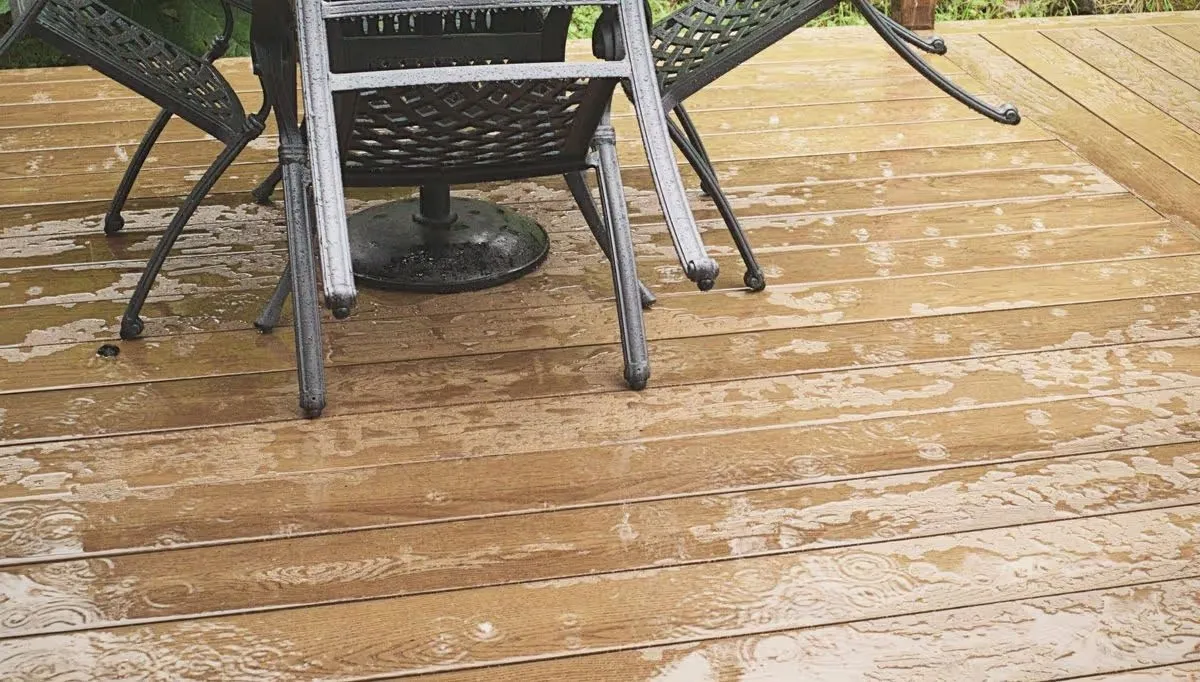
It’s not just rain that affects decking, but also the water that remains on the surface for long periods. When moisture cannot evaporate or drain properly, the risk of deterioration increases significantly.
Here are the main problems caused by excess moisture:
In the case of timber decking, constant moisture can encourage swelling, cracks and other signs of premature wear.
These build-ups develop more easily in areas that remain damp and shaded for long periods.
Leaves, soil and other debris can build up between the boards and prevent water from draining properly.
Standing water keeps the surface damp and creates favourable conditions for other problems to develop.
Constant exposure to moisture can reduce the lifespan of both timber and composite decking.
To avoid these problems, it’s important to keep the gaps between the boards clear and to remove leaves, dirt and other build-up that can block drainage on a regular basis. A decking that can dry quickly after rain is, generally, a decking that will last longer.
How do you protect decking against wear and weather conditions?
Even when it is cleaned regularly, decking remains constantly exposed to rain, sunlight and changes in temperature. Over time, these factors can take their toll on its appearance and durability.
Applying a protective treatment helps reduce this impact and can help extend the lifespan of the surface.
A protective coating can limit the amount of water absorbed by the material and reduce the risk of problems associated with constant exposure to moisture.
Prolonged exposure to sunlight can lead to fading and the loss of the surface’s original appearance. UV protection helps slow down this process and maintain a more even appearance for longer.
Throughout the year, decking is exposed to both high temperatures and cold, damp conditions. These repeated changes can contribute to the appearance of cracks, warping and other signs of wear.
There is no universal timeframe that applies to all surfaces. The frequency depends on the material, the level of exposure and the environmental conditions.
It may be time to reapply protection when you notice:
- significant fading;
- rapid water absorption;
- areas that wear more quickly than the rest of the surface;
- a loss of the surface's even appearance.
Not all decking is exposed to the same conditions. A surface that is in full sun will have different needs from one located in a shaded and damp area.
For this reason, choosing a protection method should take into account both the decking material and the environment in which it is used.
What are the differences between maintaining timber and composite decking?
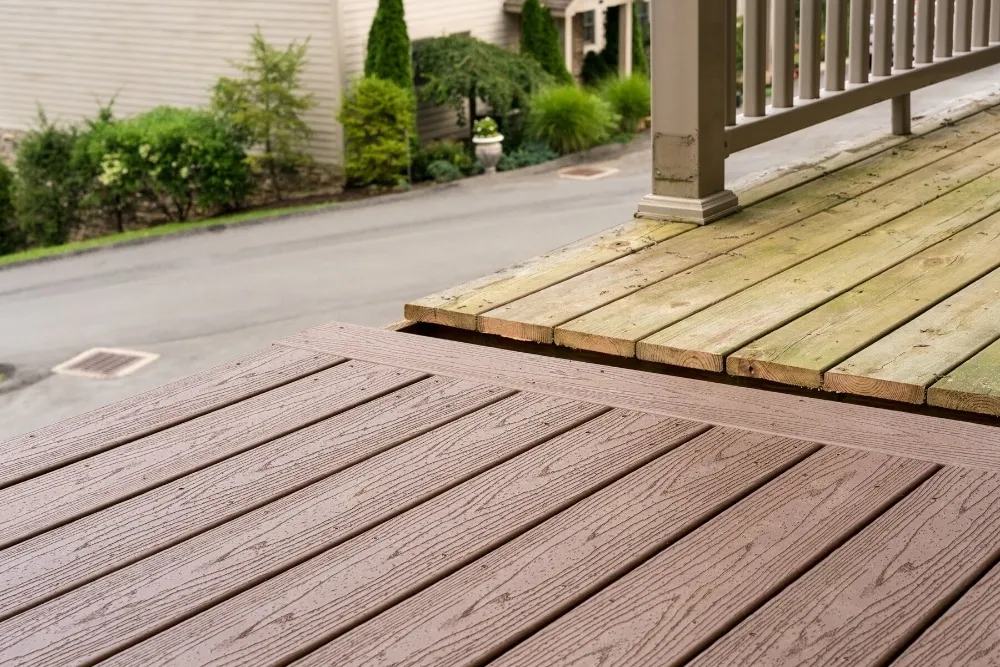
Not all decking requires the same level of maintenance. The material it is made from affects both the frequency of maintenance and the type of protection needed in the long term.
Maintaining timber decking
Timber decking offers a natural appearance that is appreciated by many homeowners, but it requires more attention to remain in good condition.
Among the main things to keep in mind are:
- greater sensitivity to moisture;
- the need for regular application of protective treatments;
- the risk of cracks or warping over time;
- fading caused by exposure to UV rays.
For this reason, regular maintenance plays an important role in extending the lifespan of timber decking.
Maintaining composite decking
Composite decking is designed to withstand outdoor conditions better and, in general, requires less maintenance than timber.
Its advantages include:
- better resistance to moisture;
- a lower risk of warping or cracking;
- less frequent need for protective treatments;
- better resistance to temperature changes.
However, this does not mean it can be completely neglected. Dirt, algae and standing water can still affect the appearance and performance of the surface if they are not managed properly.
What do both types of decking have in common?
Regardless of the material, there are a few things that help keep decking in good condition:
Its advantages include:
- regular cleaning of the surface;
- periodic checks to identify problems;
- preventing water build-up;
- removing leaves and organic debris;
- taking prompt action when signs of deterioration appear.
In the end, the difference is not whether decking needs maintenance or not, but how much maintenance it needs to last for as long as possible.
What checks and minor repairs can help extend the lifespan of your decking?
Many costly repairs are the result of small problems that have been ignored for too long. A periodic inspection doesn’t take long, but it can help identify areas that need attention at an early stage.
Here are a few things that are worth checking regularly:
General condition of the surface
Take a close look at your decking and check for:
- cracks or splits;
- splinters;
- warped boards;
- persistent stains;
- areas that retain moisture more than the rest of the surface.
These signs may indicate the beginning of problems that can worsen over time.
Fixings
Screws and other fixings can gradually loosen due to regular use and exposure to the weather, check for:
- boards that move;
- loose screws;
- damaged or missing fixings;
- areas that no longer seem as stable as before.
Damaged components
A damaged board or an affected area is easier to replace when the problem is localised. Delaying repairs can allow the damage to spread to other parts of the decking.
Small problems that shouldn’t be ignored
Not all problems require major repairs. In many cases, taking action at the right time can prevent much higher costs in the future, these include:
- removing build-up that is blocking drainage;
- fixing loose elements;
- replacing damaged components;
- treating affected areas before the damage progresses.
In general, it is much easier to fix a minor problem than to repair a surface that has been affected for months or years without any intervention.
Mistakes that can reduce the lifespan of your decking
Even high-quality decking can deteriorate more quickly than it should if certain mistakes are repeated over time. In many cases, the main problem is not the weather, but a lack of maintenance or putting off simple repairs.
Among the most common mistakes are:
Leaves, dirt and organic debris do not only affect the appearance of the surface. They can retain moisture, block drainage and create favourable conditions for the growth of algae and mould.
Cracks, persistent stains, areas that remain damp or loose elements do not disappear on their own. The sooner a problem is noticed and resolved, the simpler and less costly the repair will be.
Pressure washing can be effective, but using too much pressure or holding the jet too close to the surface can damage the material. This is particularly important in the case of timber decking.
Water that remains on the surface or between the boards for long periods can accelerate the deterioration process and encourage the growth of algae, mould and other moisture-related problems.
Protective products work best on a clean and properly prepared surface. Applying them over dirt, build-up or moisture can reduce the effectiveness of the protection.
Tables, chairs, plant pots and other heavy objects can cause scratches and visible marks if they are dragged directly across the decking surface.
A damaged board or a loose fixing may seem like a minor problem at first. However, if it is ignored, the damage can spread and may require much more extensive repairs in the future.
How does regular maintenance help you save money in the long term?
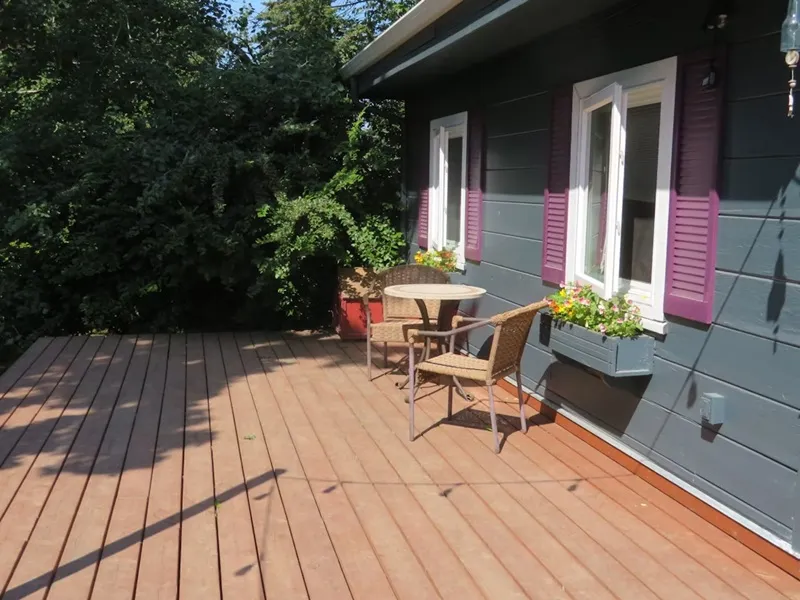
Maintaining your decking is not just about keeping it looking good. In many cases, it can make the difference between a few simple maintenance tasks and a costly repair a few years later.
Regular cleaning, periodic checks and dealing with problems at an early stage usually require far less time and fewer resources than repairing surfaces that have already been affected by moisture, algae or advanced deterioration.
In addition, regular maintenance can help to:
- extend the lifespan of your decking;
- reduce the risk of major problems developing;
- keep the surface in good condition for longer;
- avoid the premature replacement of damaged components;
- reduce the costs associated with complex repairs.
Need help cleaning or maintaining your decking?
Regular maintenance can significantly extend the lifespan of your decking, but sometimes persistent build-up, algae or accumulated dirt requires professional cleaning.
At GB Cleaning, we provide decking cleaning services in Bristol and the surrounding areas, using methods tailored to each surface to achieve effective results without causing unnecessary damage.
Contact us for a free assessment and find out which solution is best suited to your decking.
Want it done for you? See our decking oiling service in Bristol, including a real before and after from Windmill Hill.


